



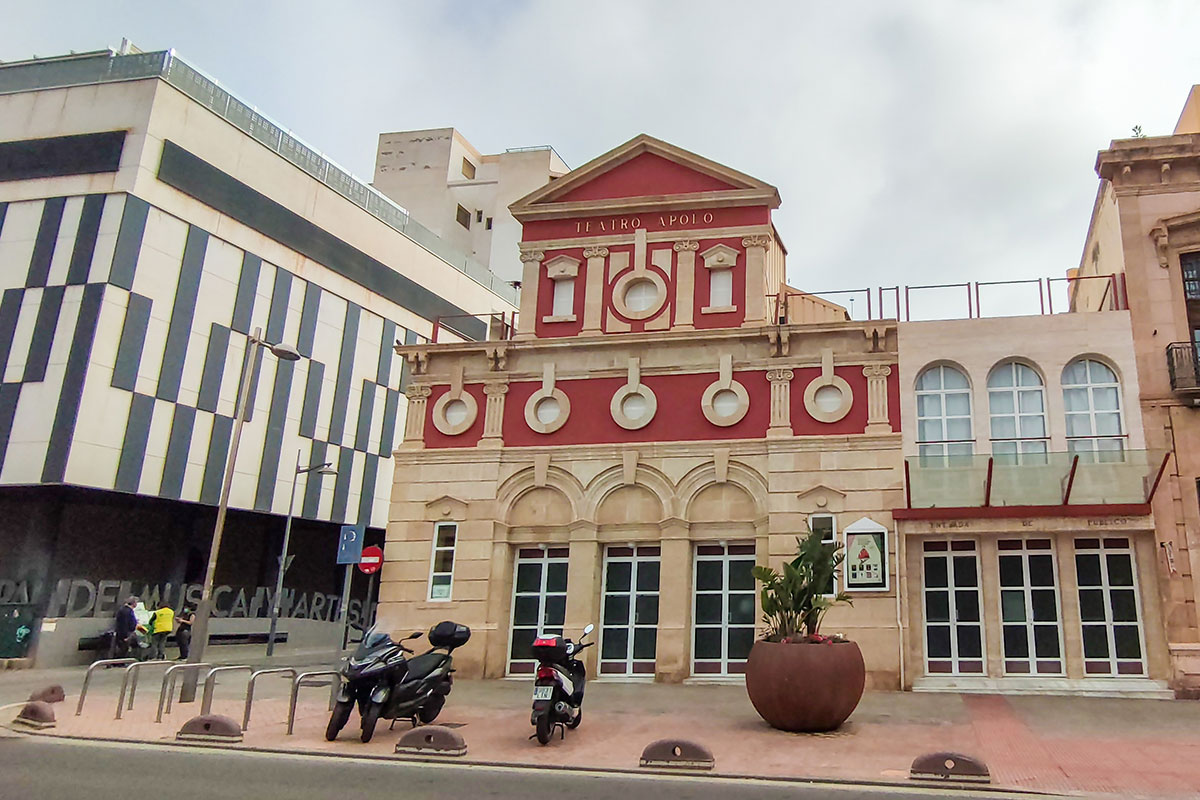
Apollo theater
There is no record of the date of the project or the name of the architect author. The only data found in the municipal archives and collected by the historian Emilio Villanueva (“Urbanism and Architecture in Modern Almería”) are proof that the new Apollo Theatre was built in 1881 on the site that had previously occupied the Teatro Calderón . At a time abounding recreational societies was one of them, the Society of Twenty, who promoted its construction becoming the first owner of the theater.
In January 1984, the Directorate General of Architecture and Housing, Ministry of Public Works, Transport and Environment, commissioned the architect Angel Jaramillo Esteban, performing some previous studies for the rehabilitation of the building, and then in 1985 the corresponding project .The works managed by the Hon. Almería City Council, beginning in 1987 under the direction of the same architect and then for various reasons remain stalled between 1989 and 1992, were completed in 1993, having taken part in financing the ministries of Public Works, Transport and Environment and Culture and the Departments of Public Works and Transport and Culture and the Environment of the Junta de Andalucía
Address: Rambla Obispo Orberá, 25. 04001 Almería.
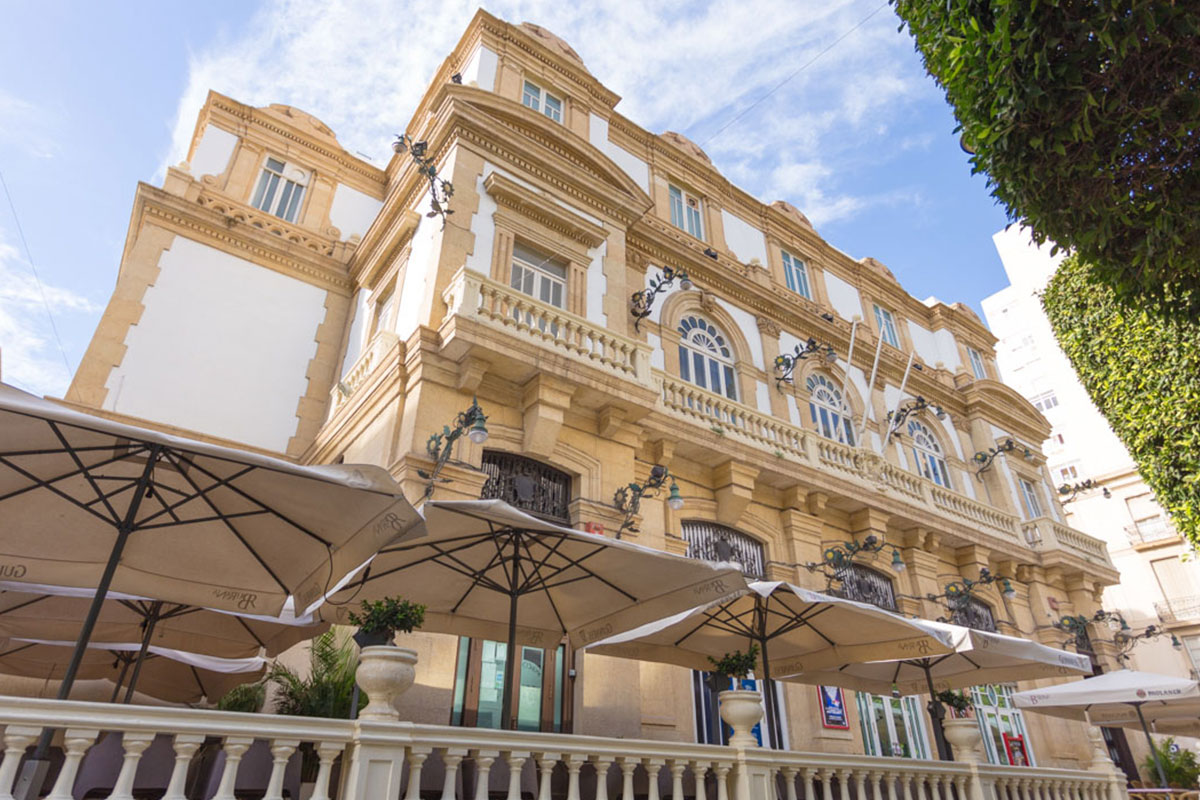
Cervantes Theatre
The Cervantes Theatre is a historic almeriense theater, whose construction will extend from 1886 to 1921. The typology of the theater follows the design of Italian Theatres, with the stalls horseshoe. Since its birth was the epicenter of the Almeria culture.
Access to the Teatro Cervantes was originally made for the facade of the Paseo, where now the Mercantile Circle is located.
Known for the events that occurred during the performance of “Santa Isabel de Ceres” being killed Conchita Robles. Our theater is not only this, always have regarding harboring song, dance, opera, zarzuela, traviata, plays and many kinds of shows for all audiences.
Dirección: Calle del Poeta Villaespesa, 1. 04001 Almería.

El Taranto Flamenco Centre
Peña Flamenca El Taranto has influenced decisively, since its inception, in the passage of Flemish art in the province of Almería.
It was the only major landmark of this art in the Almerían cultural landscape for a long time and still undoubtedly remains its flagship and international representation. It is in the Arab Rain tanks.
Address: C/ Tenor Iribarne, 12. 04001 Almería.
Phone: 950 235 057
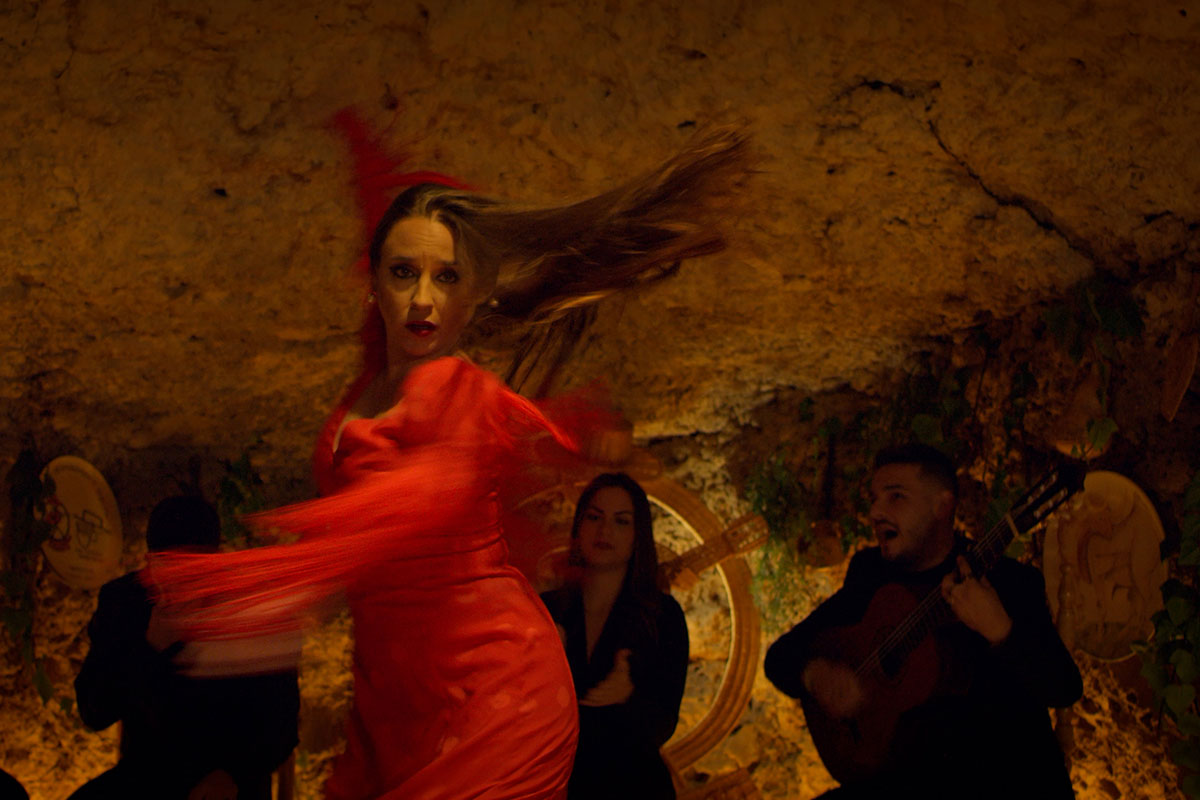
El Morato Flamenco Centre/Cave
The flamenco club El Morato Cultural Association is a non-profit organization located in Almeria. They work for the dissemination and enjoyment of flamenco and its main goal is to live flamenco in harmony with each and every one of its partners. It is dedicated to the master’s Morato.
Address: C/ El Morato s/n. 04008 Almería.
Phone: 675 525 460
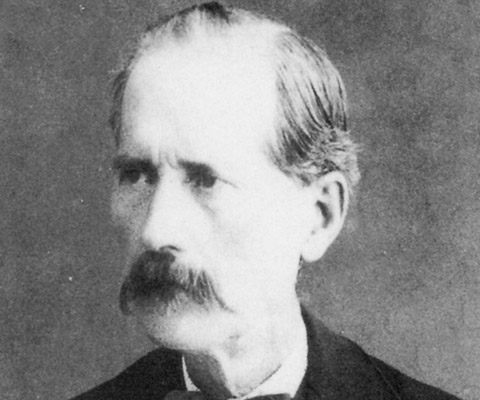
Antonio de Torres Flamenco Centre/Cave
Flamenco Centre/Cave situated in the area of La Cañada de San Urbano, whose name comes from the undisputed genius of Spanish Guitarrería D. Antonio de Torres Jurado. Creator, among others, one of the most representative of history guitars: “The Invincible”.
Address: C/ Real, 80. 04120 La Cañada de San Urbano, Almería.
Phone: 605 366 986
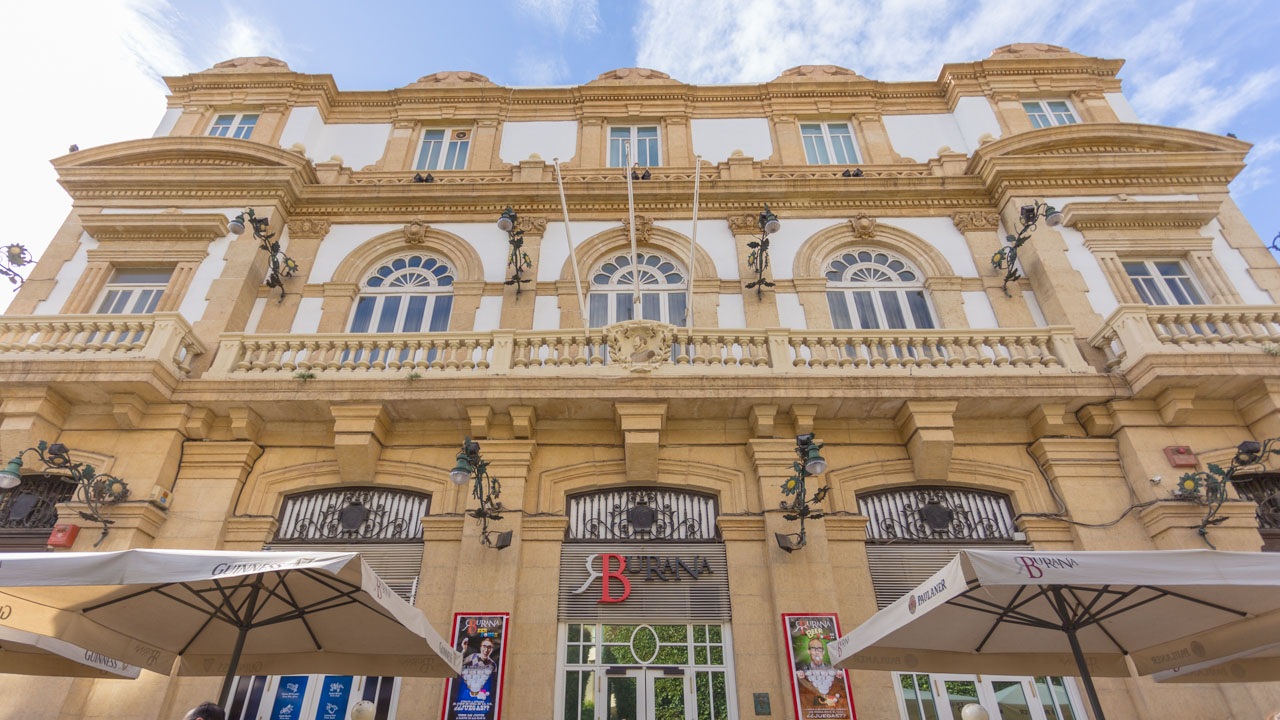
Mercantile Circle and Cervantes Theatre
The Circle, founded between 1887 and 1899, had, together with the Ateneo, based in the Plaza de San Pedro. Subsequently, the two companies are separated. He was president of the company Mr. Ramon Orozco, belonging to an important family that during the second half of the nineteenth century boosted the mining business in Almeria. In 1900 the company opens store in the Paseo del Principe. Later in 1904, the Circle was in a building located again in the Plaza de San Pedro, having its permanent seat on the Paseo, in the building of the Cervantes Theater in the 1920s.
His current halls are home to all kinds of cultural, literary exhibitions and activities, as well as dance and year-end carnival. Its interior decoration is 1920. The Society had a great importance in the economic life of Almeria, interested in the development of the media should give wealth to the city railway, port, mining and agricultural technical improvements.
The construction forms part of the Teatro Cervantes. Specifically, the facade facing the Paseo de Almeria, is from the late nineteenth century and early twentieth century. Monumentalista presents a clear trend: large arches, balustraded balcony with details of a clear naturalism and stylization that approach the modernist trend, highlighting the lamp arms simulating sunflowers. It presents symbolic figurative motifs on its facade that hint at the building’s function: lyres, masks or relief of Cervantes.
Teatro Cervantes was one of the longest running projects of almeriense contemporary architectural period of the late nineteenth century. The start of construction dates back to 1866, coinciding with the requested permission from the construction company to City Hall. After a promising start, the works are stalled until 1898, when the architect Enrique López Rull, makes the plans for the current building. The works will not begin until 1910, and finally, who became the most important theater in the city, opened in 1921.
Address: Paseo de Almeria.